Author: homolata
Empowering Climate Resilience: Innovations and Initiatives in Pakistan
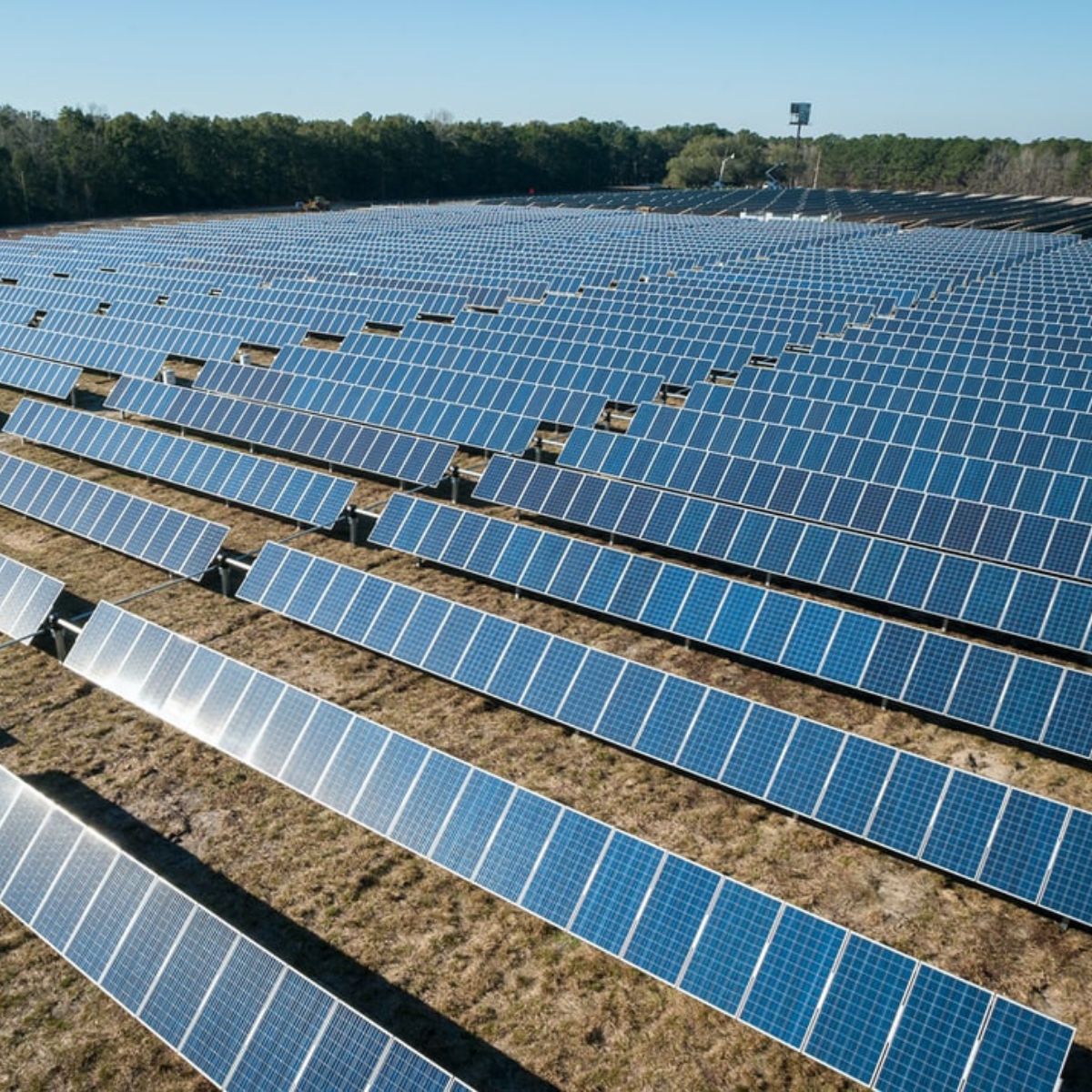
The Quaid-e-Azam Solar Park in Bahawalpur, Pakistan (Photo by Quaid E Azam Solar Power Private Limited) Climate change has a detrimental impact on Pakistan. The 2021 Global Climate Risk Index positioned Pakistan among the top 10 countries most affected by long-term climate risks from 2000 to 2019, considering fatalities and mortalities. We experience recurrent heatwaves, [...] Read More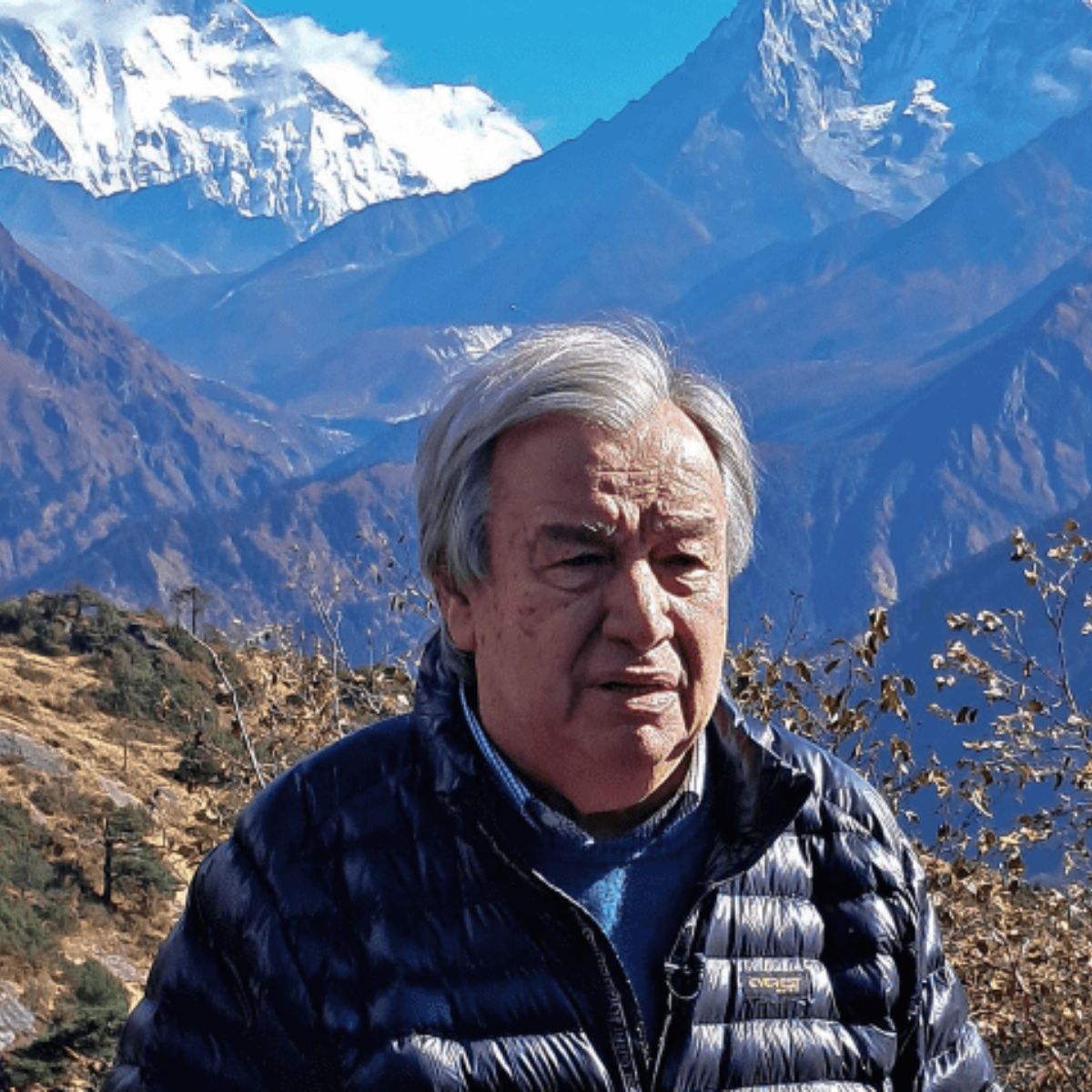
Climate News 25 October – 31 October 2023
The Global Energy Transition Offers an Opportunity to Boost Growth in South Asia Source: World Bank Date: 30 Oct 2023 The World Bank's latest regional economic update highlights South Asia's uncertain economic outlook, despite steady growth. The region faces fiscal constraints, limiting its ability to capitalize on the global energy transition, which offers opportunities for [...] Read More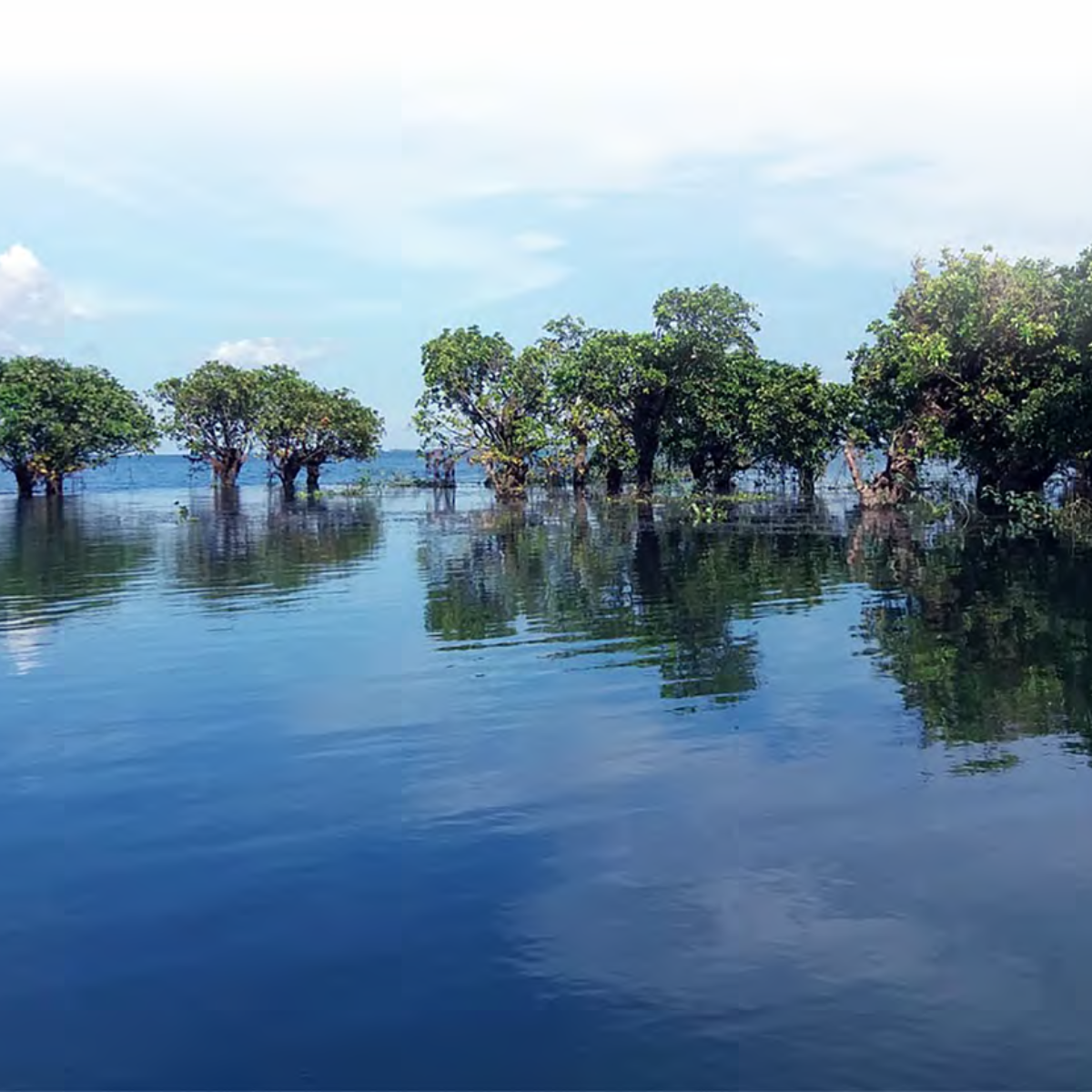
Nature-based Solutions for Climate Resilience in South Asia’s Water Sector
Click on the image to download PDF SummaryDetailsSuggest an EditSummary This training module on Promoting Nature-based Solutions (NbS) for Climate Resilience in the Water Sector in South Asia is designed for the capacity building of practitioners and policymakers working on the management of water resources or having an influence on the water sector, such as [...] Read More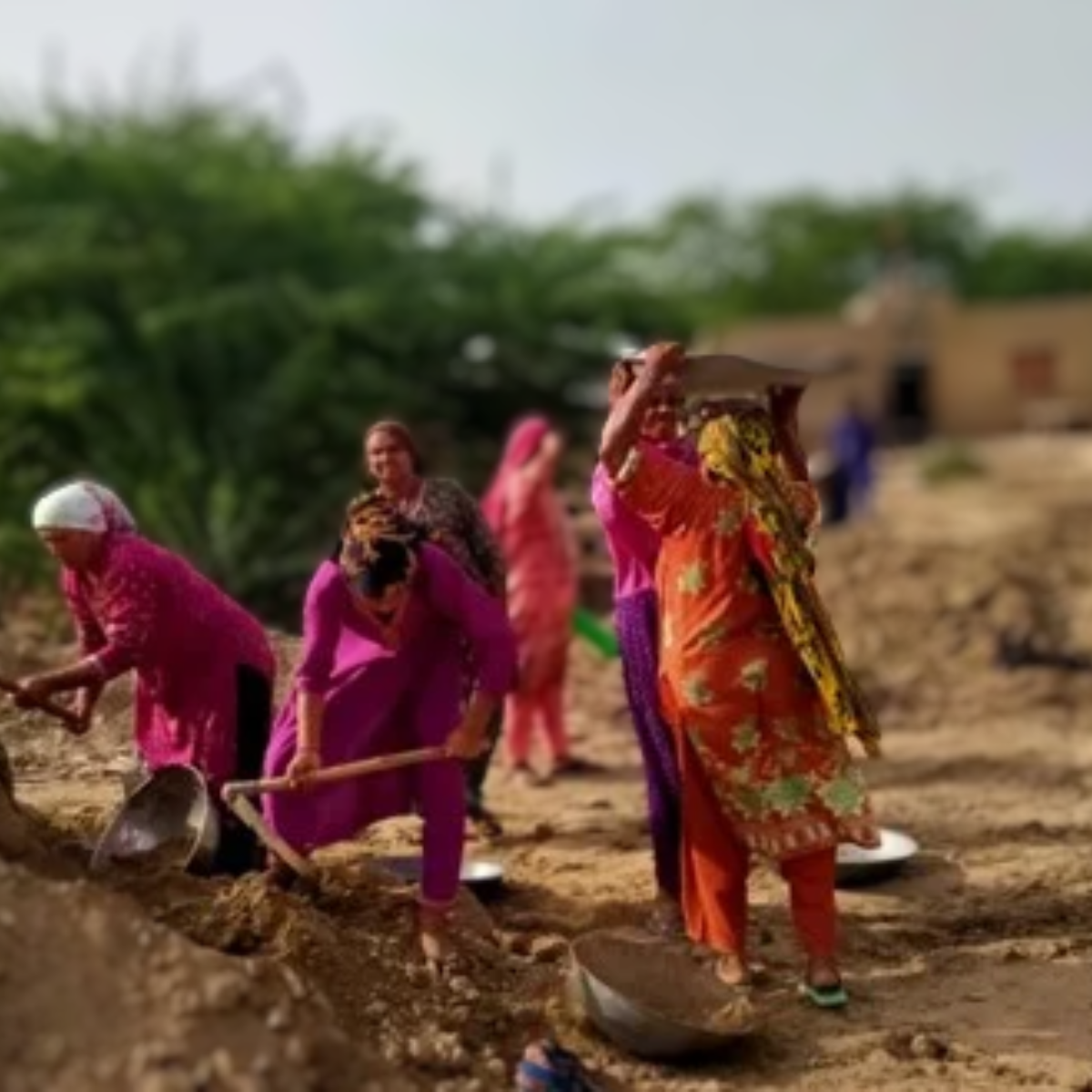
A Year after Pakistan’s Deluge: How community-centric public works support the most vulnerable
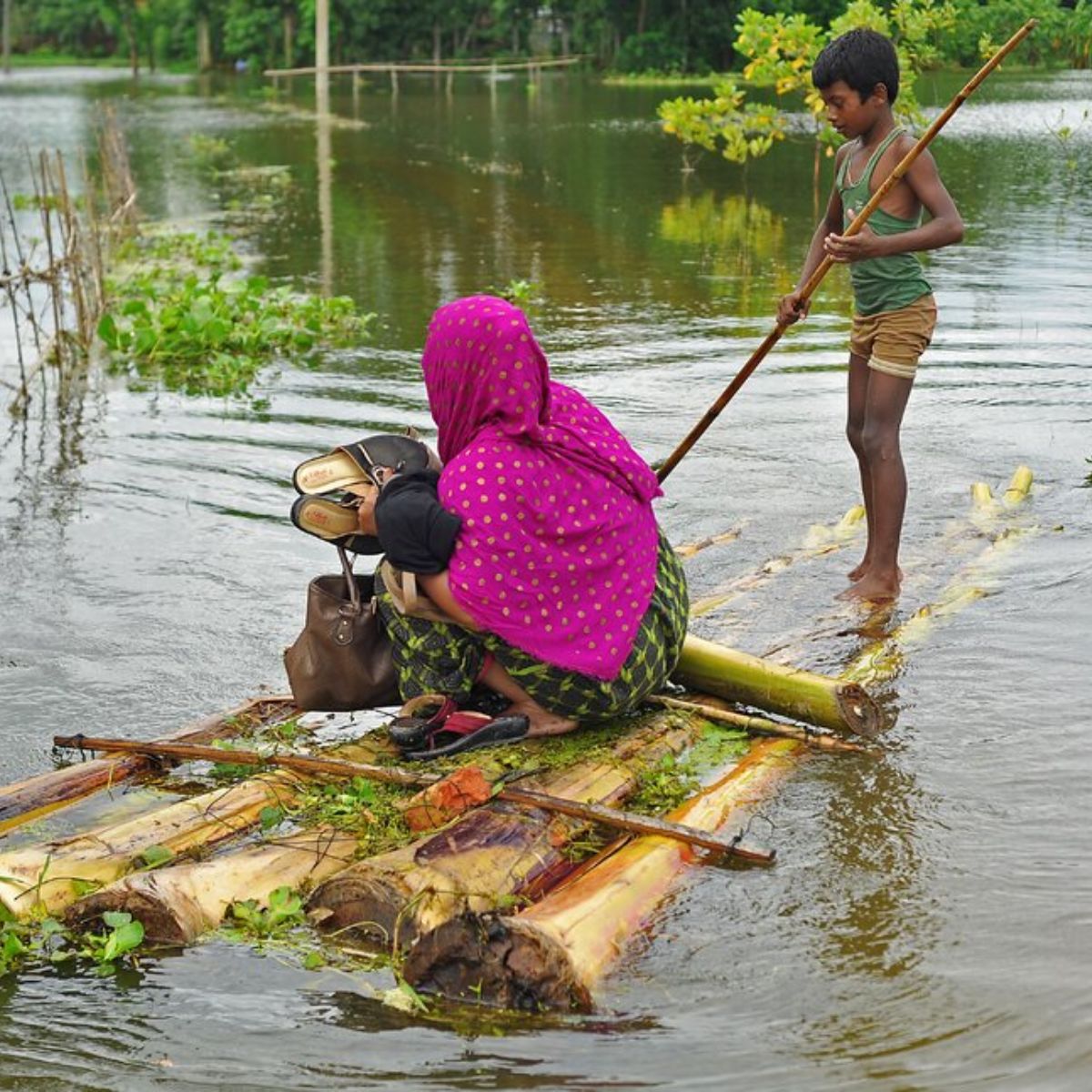
The blog was first published by World Bank Blogs on 18 October 2023. Read the original blog here. In the village of Shaheed Benazirabad District, residents explain the far and wide impacts of the floods. Credit: Sindh Flood Emergency Rehabilitation Project A year later, the flood water has receded, but the impacts still loom large. [...] Read More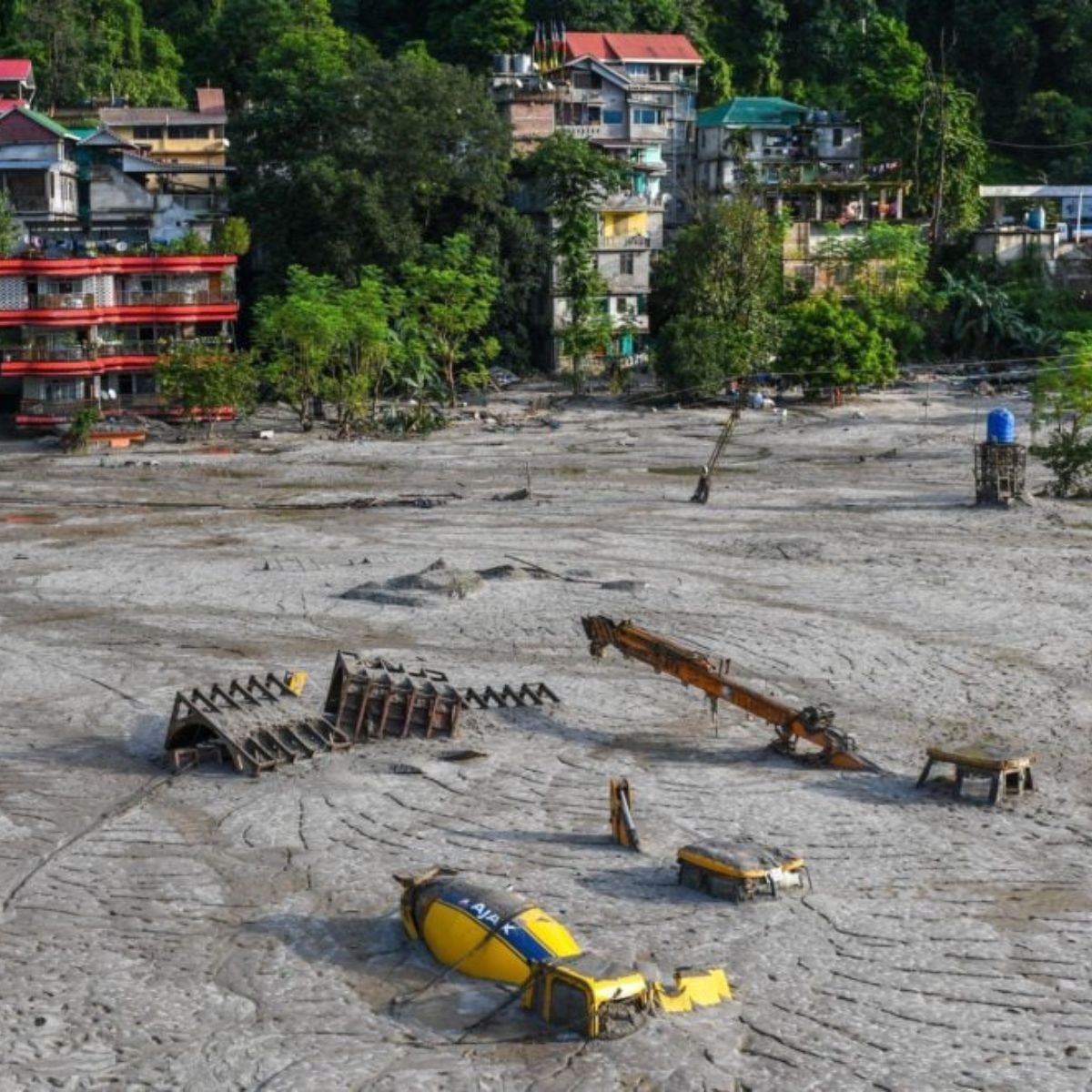
Climate News 18 October – 24 October 2023
Greater cooperation will accelerate Himalayan climate action Source: The Third Pole Date: 18 Oct 2023 The recent floods in India's Sikkim state underscore the pressing need for better coordination between climate science and policy in the Hindu Kush Himalayan (HKH) region. Heavy rainfall on October 4th triggered floods that had been predicted by scientists since [...] Read More
Why South Asian Women have a Key Role in Tackling the Climate Crisis
This article was first published by the World Economic Forum (WEF) on 28 June 2023. Read the original article here. South Asian women are vital for leading climate action in a region facing significant challenges due to the climate crisis, holding the potential to shape a sustainable future. Image: Belle Maluf/Unsplash South Asia faces numerous [...] Read More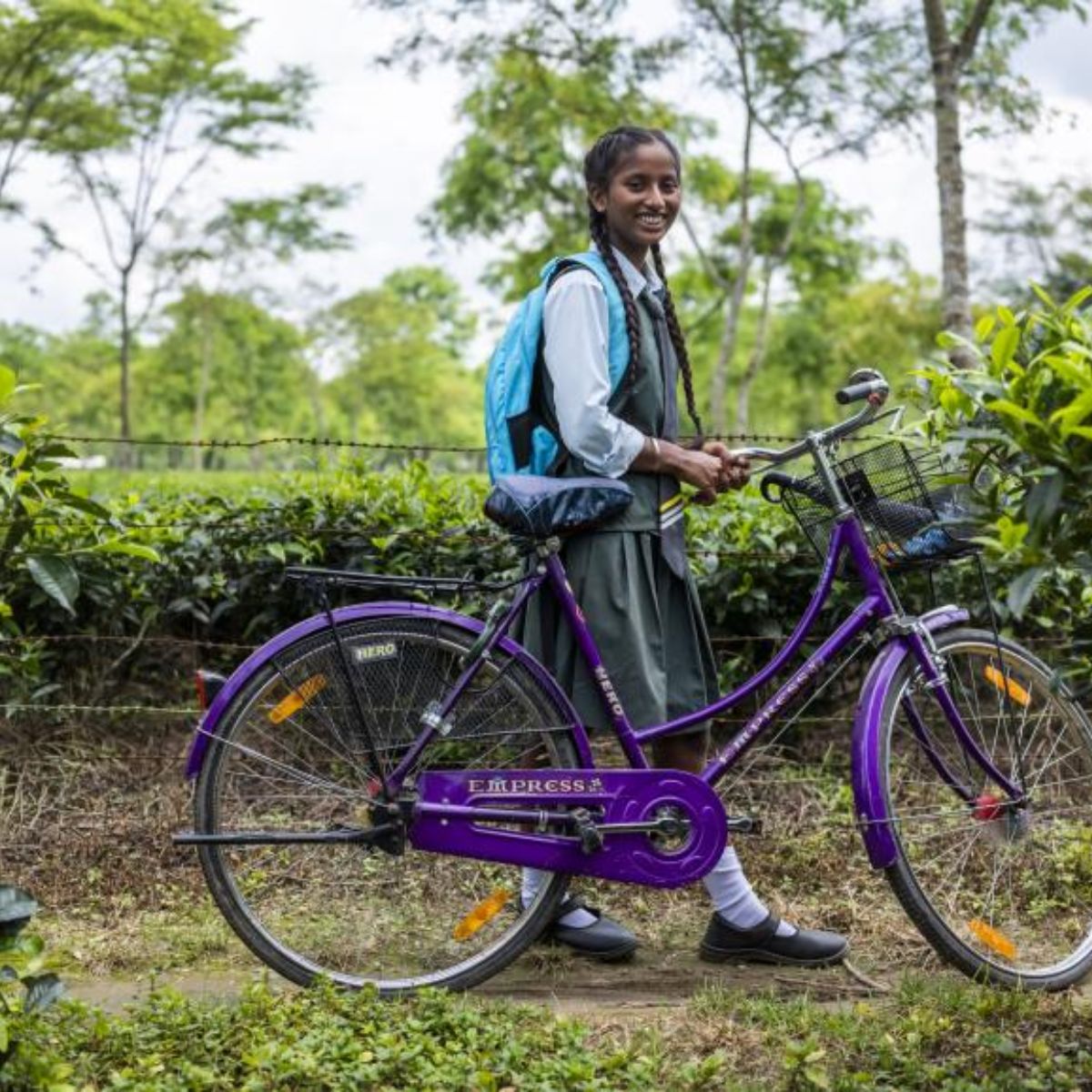
Climate News 11 October – 17 October 2023
Pakistan among nations hit by ‘out of balance’ water cycle Source: Dawn Date: 13 Oct 2023 The World Meteorological Organization (WMO) has reported that Pakistan, along with other nations, experienced imbalances in its hydrological cycle due to climate change in 2022. Over 50% of global catchment areas showed deviations from normal river discharge conditions, with [...] Read More
Climate Change’s Impact on the Andaman and Nicobar Islands
Mangrove forests on Andaman Island, India (Photo by: Dr. Yuvaraj) The Andaman and Nicobar Islands, nestled in the Bay of Bengal, are known for their picturesque landscape, rich biodiversity, and unique ecosystems. The abundant resources form the backbone of the islands' economy, and local communities' livelihoods primarily depend on tourism and fisheries. The island ecosystems, [...] Read More
Climate News 4 October – 10 October 2023
Climate Change’s Unequal Burden: Why Do Low-Income Communities Bear the Brunt? Source: Earth.Org Date: 9 Oct 2023 Climate change's impact is unevenly felt, with low-income communities and developing countries suffering most. Pakistan's 2022 devastating floods exemplify this disparity, driven by climate change despite Pakistan contributing only 1% of global greenhouse gases. The wealthy, who emit [...] Read More