How is TROSA helping the GBM basin?
The TROSA 2 project ensures that riverine communities uphold their rights, build their resilience, and participate in water resource management. This helps improve cooperation in governing shared water resources, and strengthen resilience to climate change of riparian communities in the transboundary Ganges-Brahmaputra-Meghna River Basins in India, Nepal and Bangladesh.
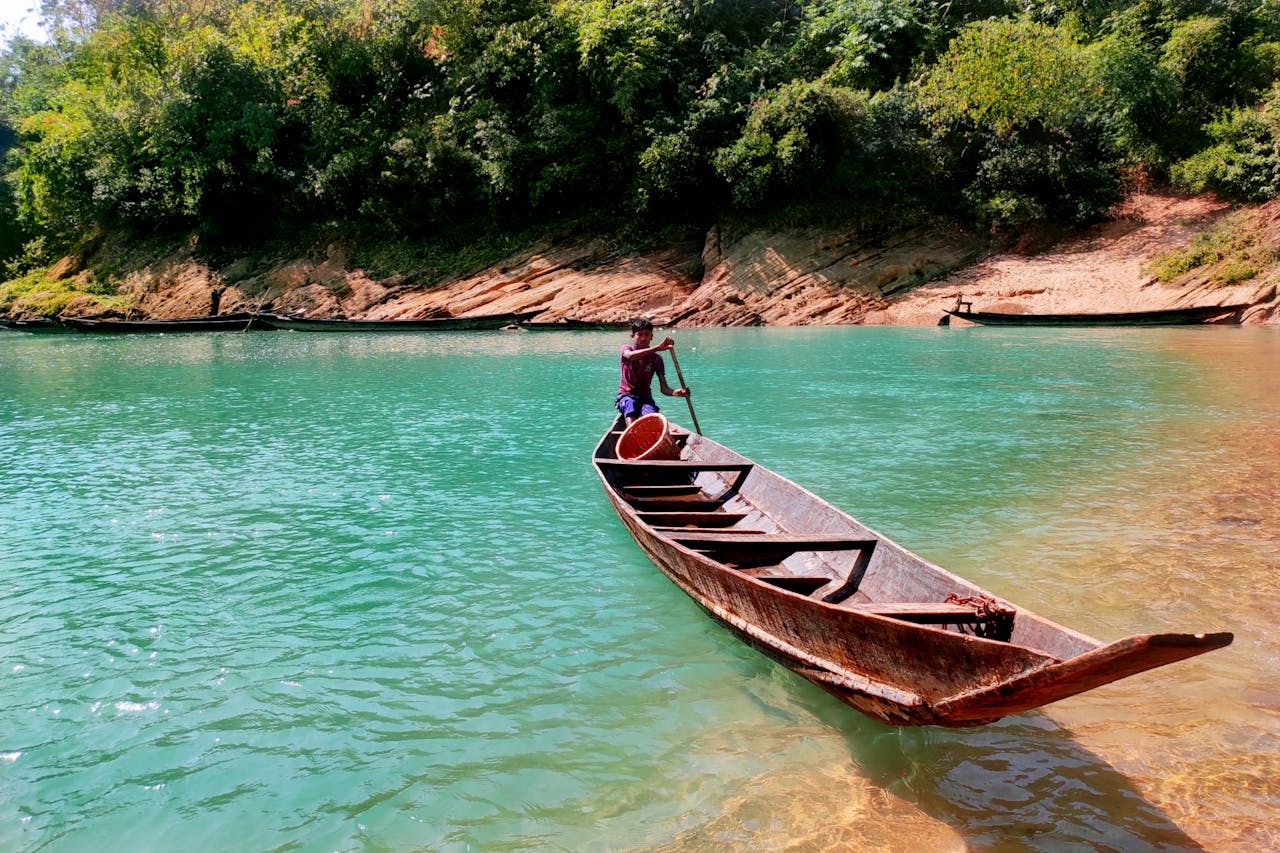
The GBM basin is the 3rd largest freshwater outlet to the world’s oceans and supports more than 800 million people.
By 2050, the GBM basin will experience a projected temperature rise of 1-3°C and 20% more monsoon rainfall.
By 2030, South Asia’s water demand will double due to unsustainable usage impacting lives and livelihoods. About 20% of the population in the GBM basin lacks access to safe drinking water.
4.8 to 5.7 billion people suffer from water scarcity at least 1 month a year, affecting women the worst.
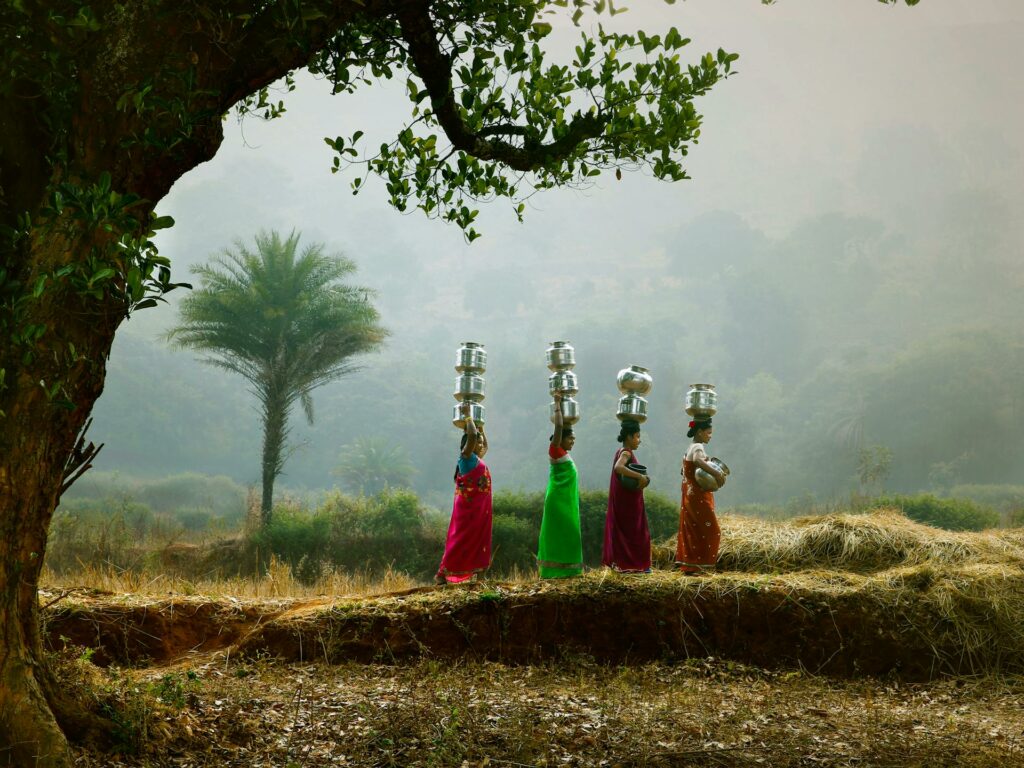
In around 80% of the households in low- and middle-income countries, women are the main water collectors and depend on the river for various domestic, agricultural and other livelihood purposes.
In 2013, only 15% of the countries had a gender policy in their water ministry.
The involvement of women in water governance makes a program 7 times more effective.
Youth are hardest hit by the water crisis. Along with gender considerations, the youth’s involvement will accelerate water-related climate action.
Climate Change Impacts in the Basin
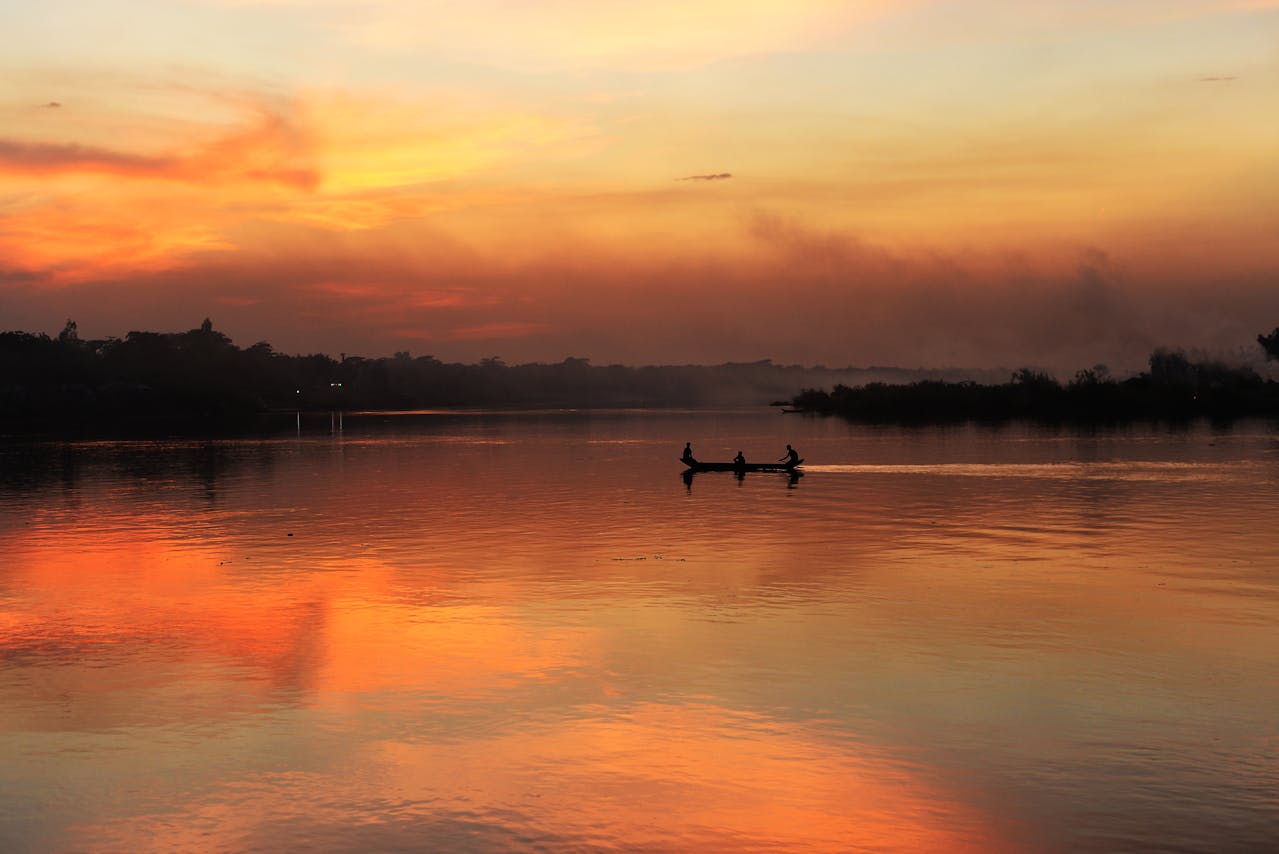
The Ganges-Brahmaputra-Meghna basin is the birthplace of flourishing cultures and livelihoods with a total area of 1.7 million square kms. The basin is distributed across Nepal, India, Bangladesh, China and Bhutan and finally joins the Bay of Bengal. Apart from being the third largest freshwater outlet to the world’s oceans, the basin supports more than 800 million people. In South Asia, the Ganges River is located in India, Nepal and Bangladesh; the Brahmaputra River is located in India, Bangladesh and Bhutan, and the Meghna River basin is located in India and Bangladesh.
Many societies, cultures and economies depend on the basin for various needs, but the ecosystem services provided by the basin are exposed to severe risks. According to the World Bank Bangladesh Development Series, the GBM basin will experience a projected temperature rise of 1-3°C and 20 per cent more monsoon rainfall by 2050. Intensification of climate events, degradation of ecosystems, unregulated infrastructure development and unplanned land use practices have caused increasing stress on water resources and limited accessibility for the communities. Climate change poses a threat of crop damage, loss of life and property, an increase in climate-related disasters, and issues of gender disparity and social inequalities, in addition to water accessibility challenges. Communities of the basin feel vulnerable due to climate risks and are experiencing a rapidly changing socio-economic scenario.
According to the World Bank, by 2030, South Asia’s water demand will double due to unsustainable usage, impacting lives and livelihoods. About 20 per cent of the population in the GBM basin lacks access to safe drinking water. Additionally, the Water Development Report 2016 highlights that globally, 78% of the jobs are water dependent and increasing stress on water resources can lead to direct impacts on the water-dependent sectors. In the face of changing climatic and socio-economic conditions, the water demand also increases for industries and communities.
The Need for Inclusive Water Governance
Women and youth leadership form the bedrock of improved cooperation in governing shared water resources and strengthening resilience to climate change.
According to the UN, 4.8 to 5.7 billion people suffer from water scarcity at least 1 month a year, affecting women the worst. Around 80% of the households in low- and middle-income countries, women are the main water collectors and depend on the river for various domestic, agricultural and other livelihood purposes. While the gender roles pose challenges to water accessibility, gender mainstreaming in policies can combat climate change. Although in 2013, only 15% of the countries had a gender policy in their water ministry, and 33% of countries have included gender considerations in their water-related policies and programs, women’s cooperation, participation and leadership in decision making and water dialogues in local and national levels will ensure improvement of the river’s ecosystem and health. The involvement of women in water governance makes a program 7 times more effective.
Along with gender considerations, the youth’s involvement will accelerate water-related climate action. The UN Water SDG report states that the youth are hardest hit by the water crisis. Due to severities posed by extreme climate events, the youth migrate to urban areas seeking better opportunities. Youth can also help carry forward traditional and indigenous knowledge and introduce scientific methods to the communities. Youth’s participation and community involvement will result in reducing the risks to the riparian community. Inclusive participation will not only help restore the environment but also achieve the Sustainable Development Goals.
Multilateral cooperation and good governance for upstream and downstream linkages of the countries of the basin will improve water accessibility and build resilience to climate change in riparian communities. The GBM basin has social, biophysical, cultural, economic and institutional interdependence, which sustains agriculture, economic activities and societal functions of the basin. Multidimensional and inclusive governance and cooperation by the basin countries will ensure equal accessibility of resources.
About Transboundary Rivers of South Asia (TROSA- 2) Rivers, Rights and Resilience
The Transboundary Rivers of South Asia (TROSA-2) is a regional governance programme covering the Ganges-Brahmaputra-Meghna basin in India, Nepal and Bangladesh. The goal of the program is to Improve cooperation in governing shared water resources, strengthening resilience to climate change of riparian communities in the transboundary Ganges-Brahmaputra-Meghna River basins.
The Asian Disaster Preparedness Center is a partner organization with Oxfam, funded by the Swedish International development Co-operation Agency (SIDA).
The expected outcomes of the programme are:
- Strengthen leadership of civil society, especially women, indigenous people, and youth to influence government and private sector on water governance across and between the transboundary GBM basins.
- Strengthen cooperation, collaboration and accountability across and between the transboundary GBM basins.
What is happening to the transboundary rivers of South Asia?
Climate change is limiting water accessibility from the Ganges-Brahmaputra and Meghna Basin. Communities particularly feel vulnerable as they depend on the river for various purposes. Strengthened community leadership and climate finance tools can help fight resilience and improve water governance.
Equipping and Empowering Leaders
TROSA places a strong emphasis on empowering youth and women as leaders in transboundary cooperation and climate action. With their unique perspectives, innovative ideas, and deep community connections, they are pivotal in shaping inclusive water governance and advancing community-based climate finance solutions.
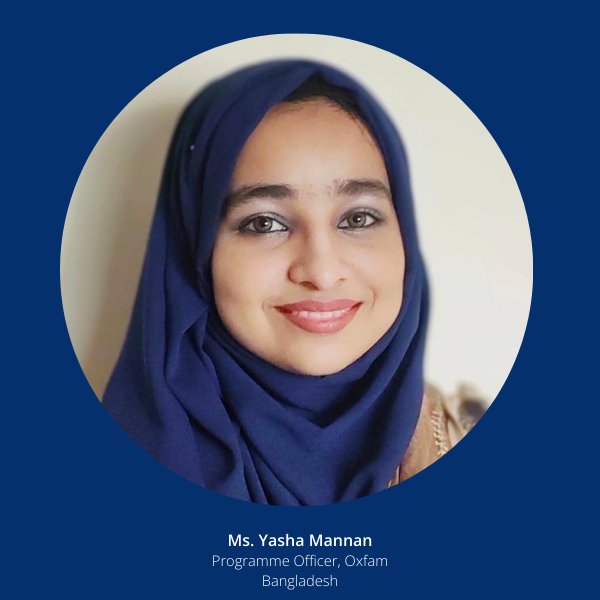
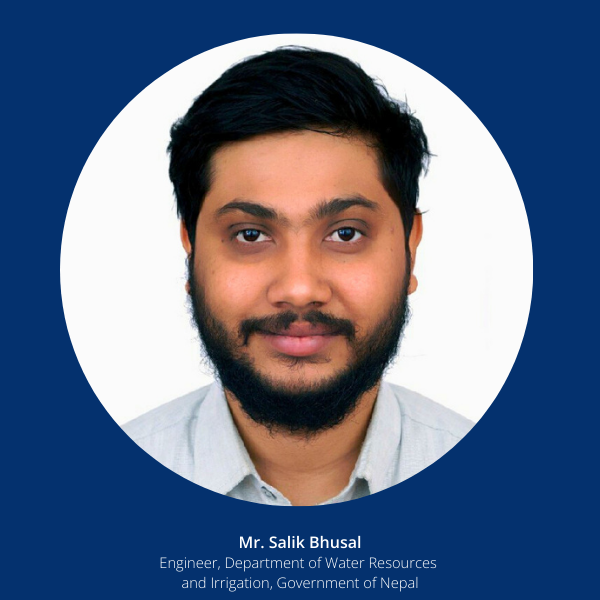
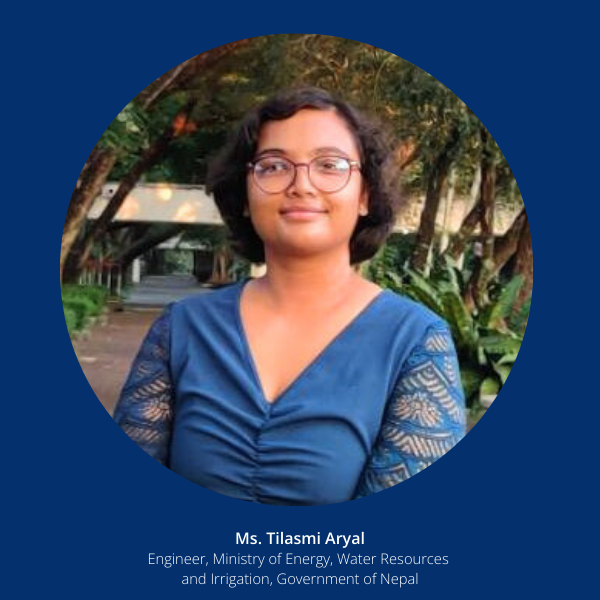
Asian Disaster Preparedness Center (ADPC) launched an awards program to identify and recognize women and youth leaders who have demonstrated exceptional leadership in the sphere of water governance and contributed to transboundary water governance in the recent years. We identified six exceptional leaders who had the potential to bring transformational impacts.
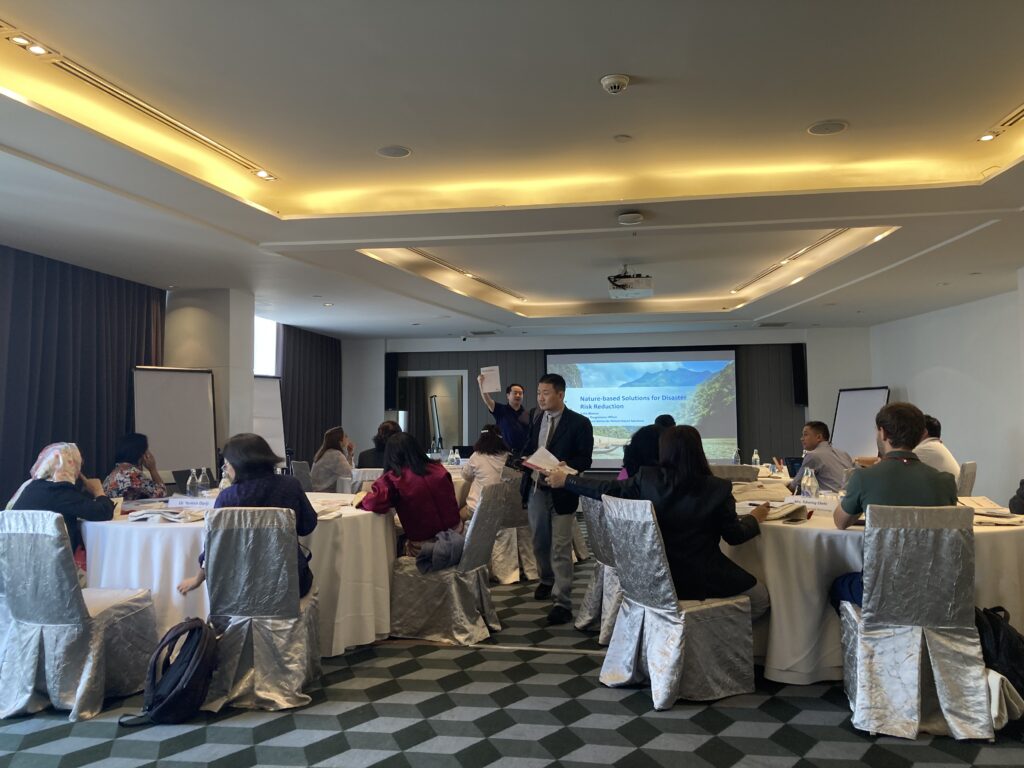
The leaders were invited to participate in ADPC’s training on “Nature-based Solutions (NbS) for Disaster and Climate Resilience” in Bangkok, Thailand, in March 2025. The training helped them enhance their knowledge on the subject and gain practical insights on the application and implementation of NbS.
Women and Youth Leaders
Trainings & Workshops
Nature-based Solutions (NbS) for Disaster and Climate Resilience
25-28 March 2025, Bangkok, Thailand
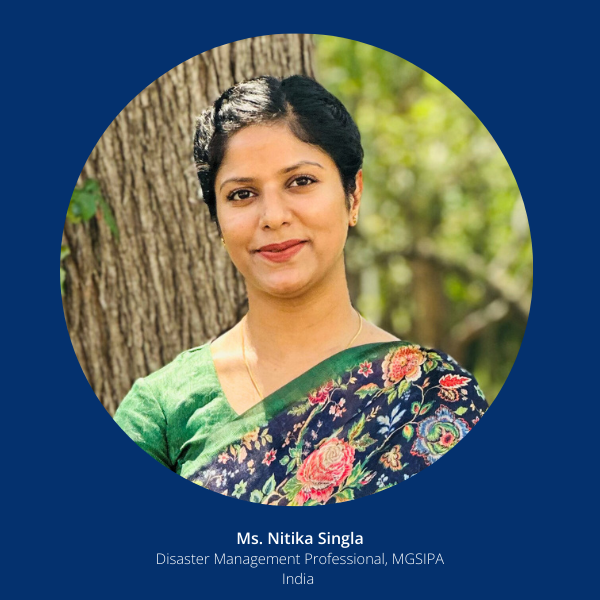
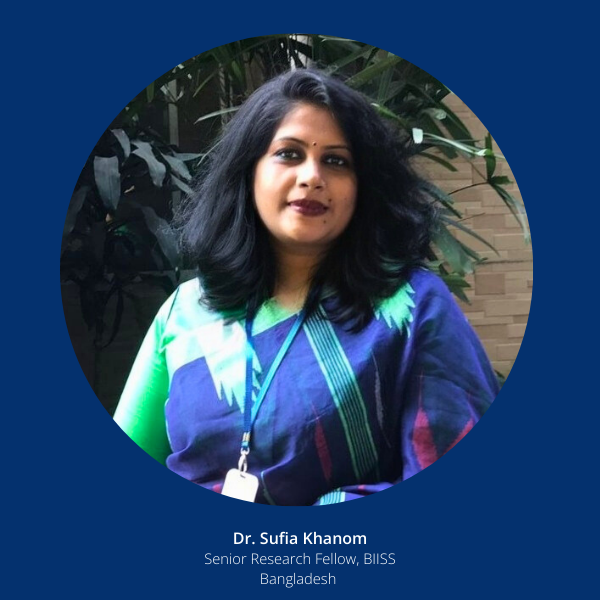
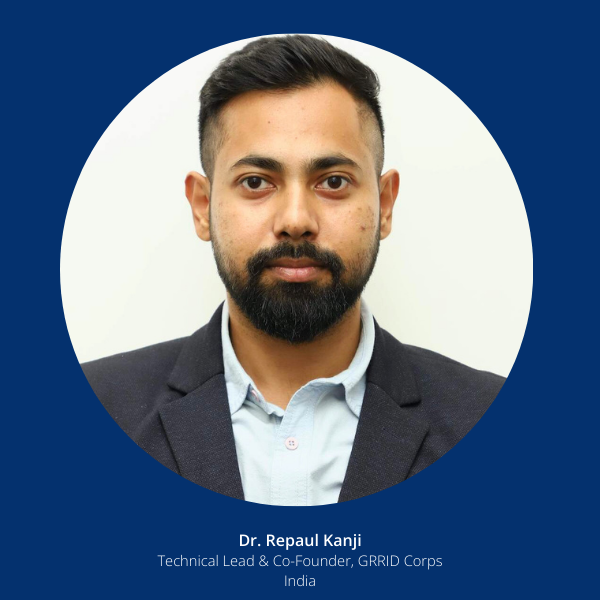
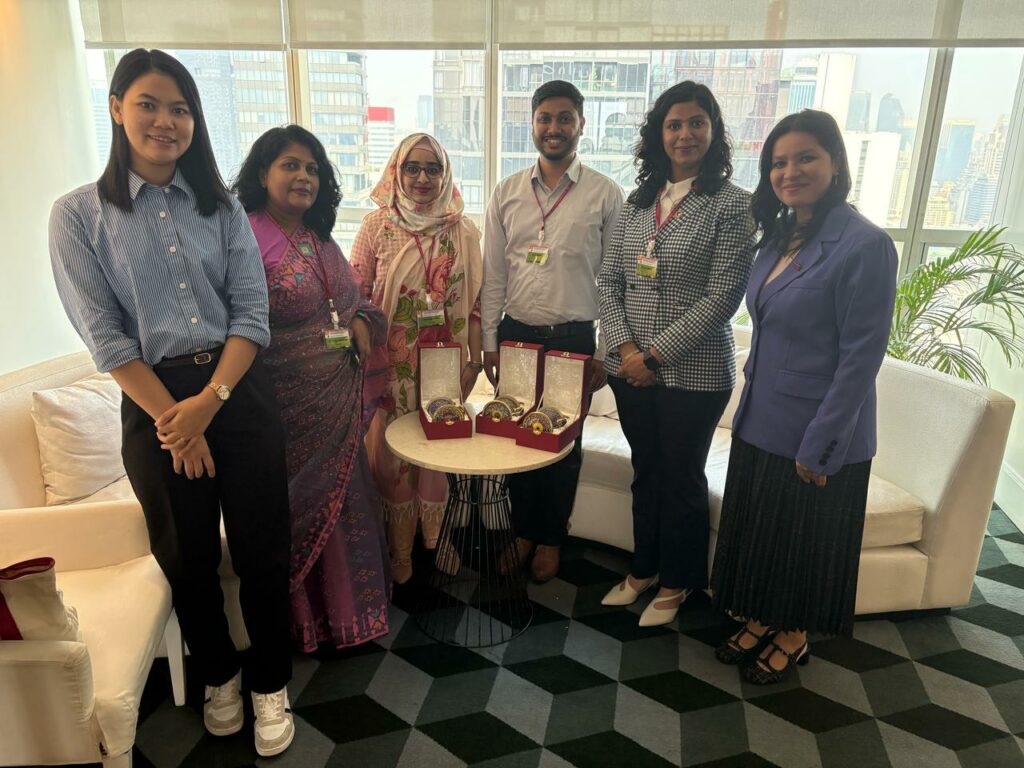
The six women and youth leaders were invited to participate in the NbS workshop to help enhance the participants’ knowledge and provide practical insights into applying and implementing NbS through case studies from diverse countries, international frameworks, concepts, fundamental principles, and more. The leaders were also conferred with the awards at the training. Here is feedback from the leaders who had participated.
Nitika
The training sessions were thoughtfully curated, bringing together a rich blend of scientific knowledge, practical applications and inspiring case studies from across regions. I truly appreciated the clarity with which the facilitators explained complex NbS frameworks and how they can be adapted into policy and field implementation.Sufia
This comprehensive course deepened my understanding of NbS—from core theories to practical applications at community and national levels. A standout experience was the field visit to the Gulf of Thailand, where we observed mangrove forest management in action—an inspiring example of how ecosystems can protect coastlines while supporting sustainable local livelihoods.Yasha
The training content was well-prepared and shared in a clear way, which made it easy to understand. It was also great to meet and connect with participants from Bangladesh, Bhutan, Nepal, the Philippines, India, Thailand, the Netherlands, and many different organizations. NbS is still a new topic for me, but this training gave me the confidence to use these ideas in my work.Salik
As someone working in the field of water resources and irrigation in Nepal, these insights are directly relevant and will certainly support my work going forward. The peer-to-peer learning and open discussions created a supportive space where I felt encouraged to share my own experiences and learn from others.
Regional Workshop on Climate Finance for River Basin Resilience
16-18 November 2025, Bangkok, Thailand
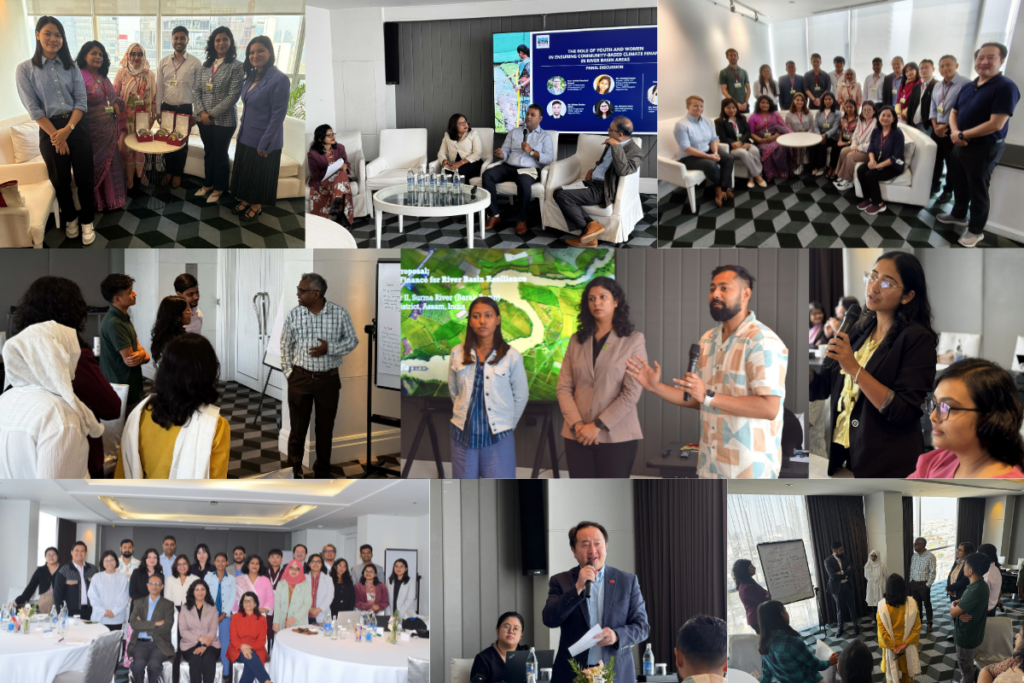
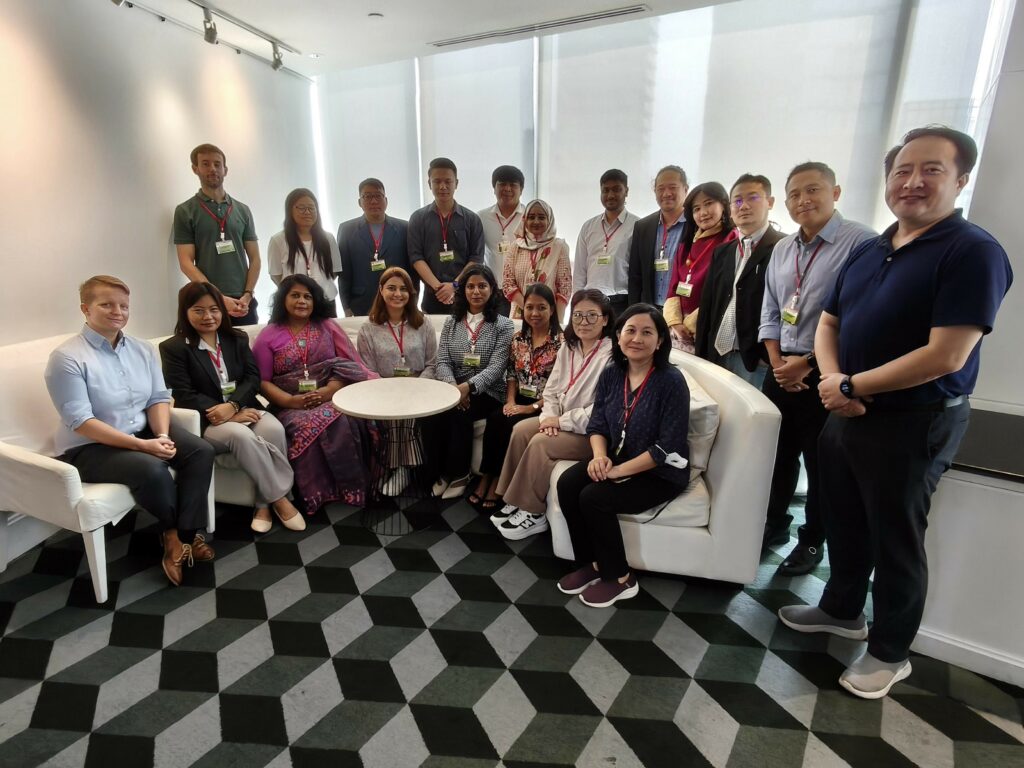
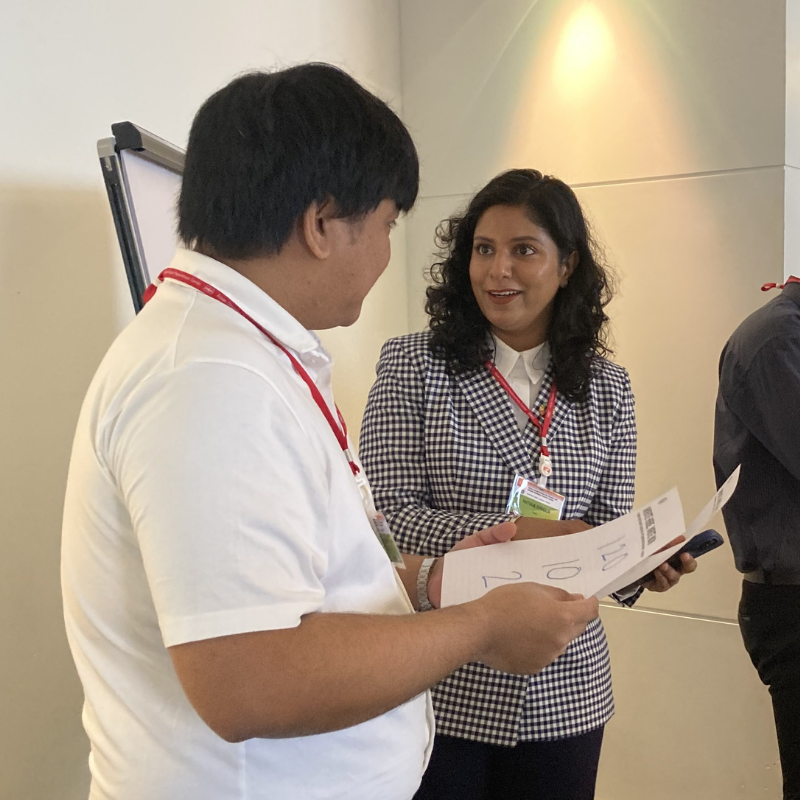
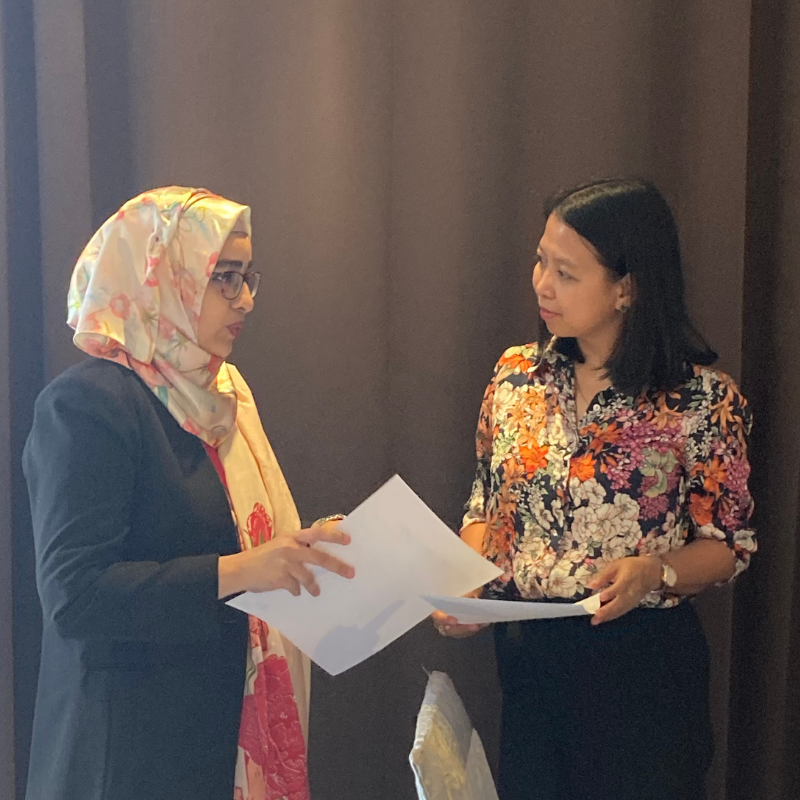
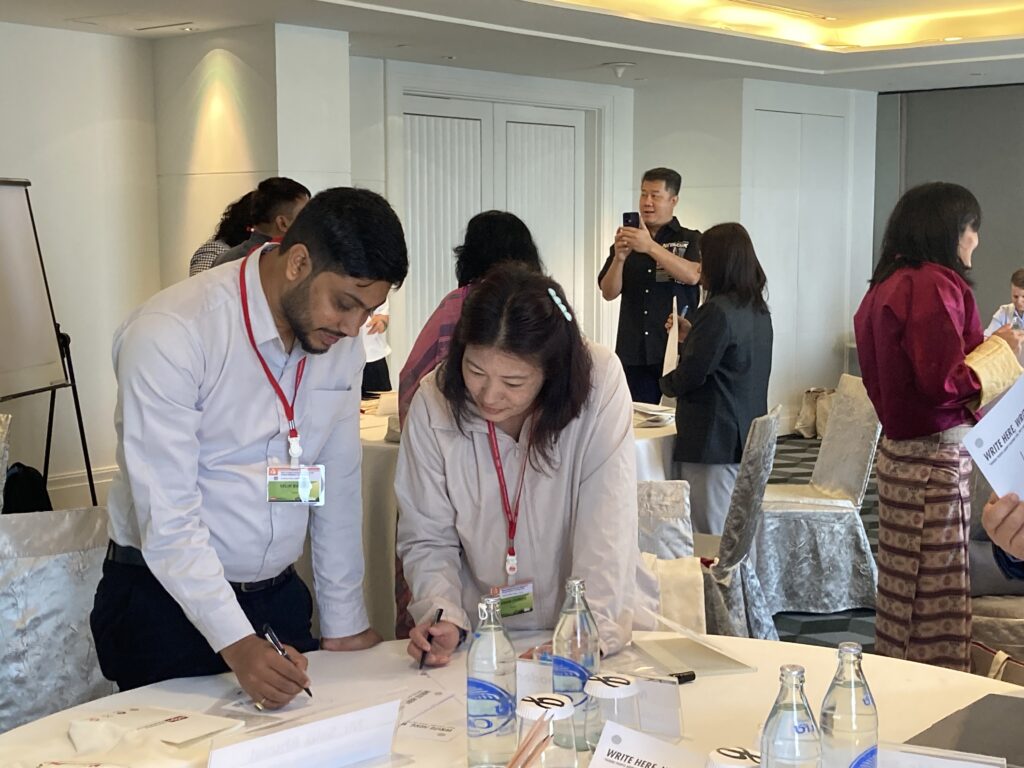
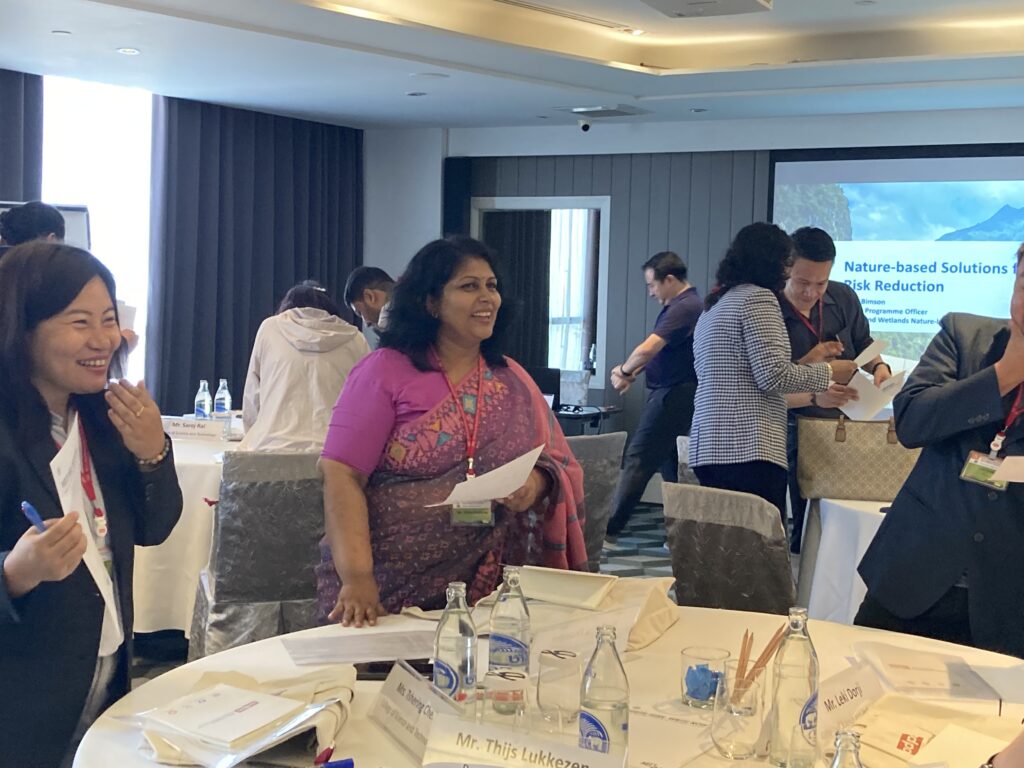
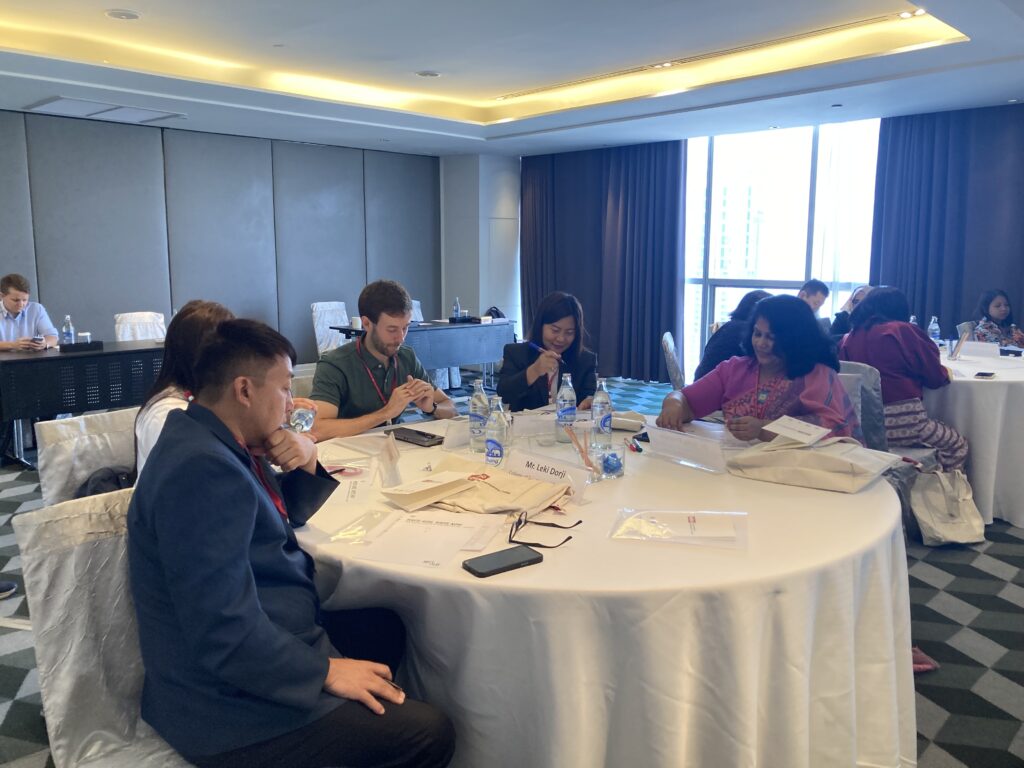
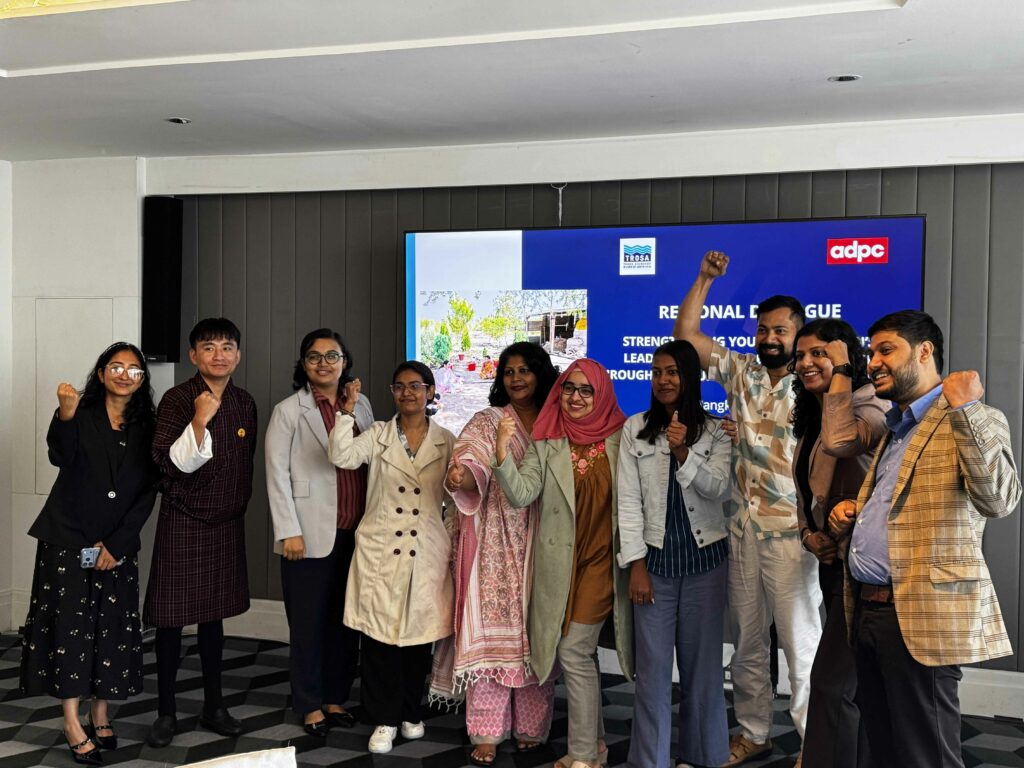
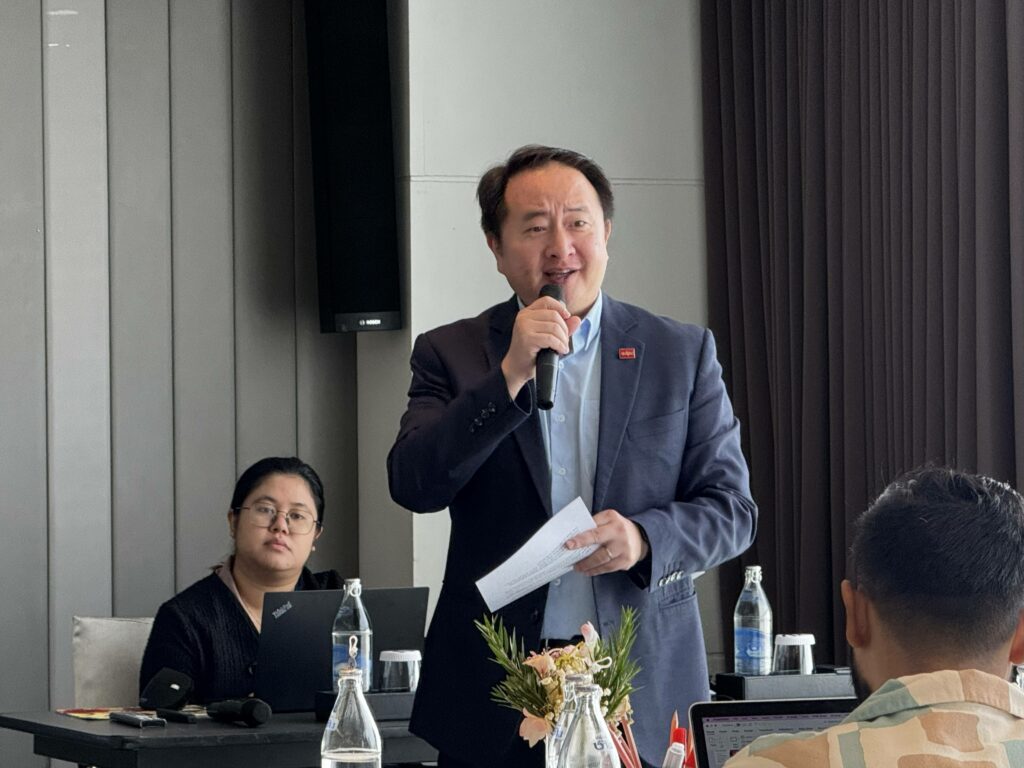
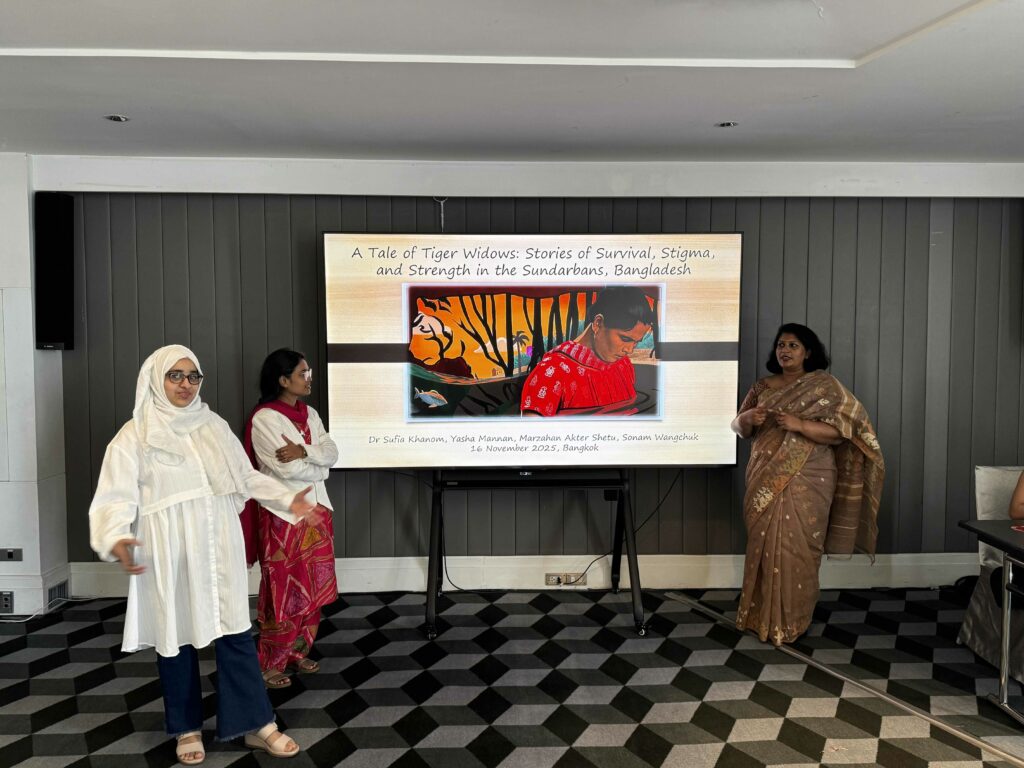
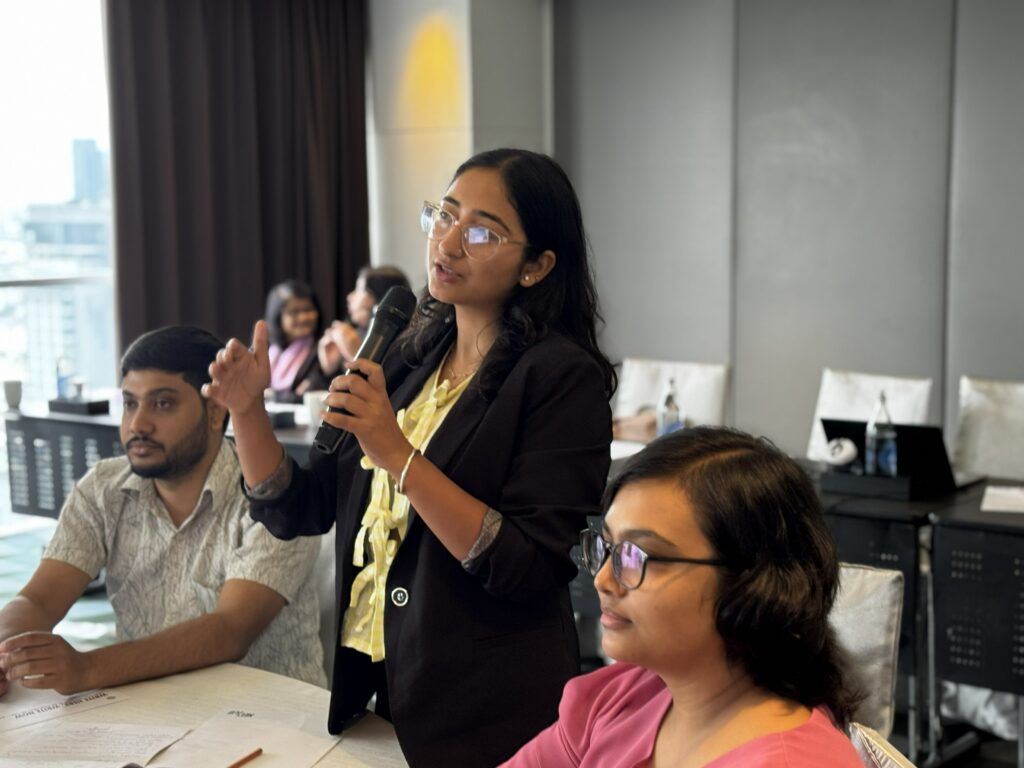
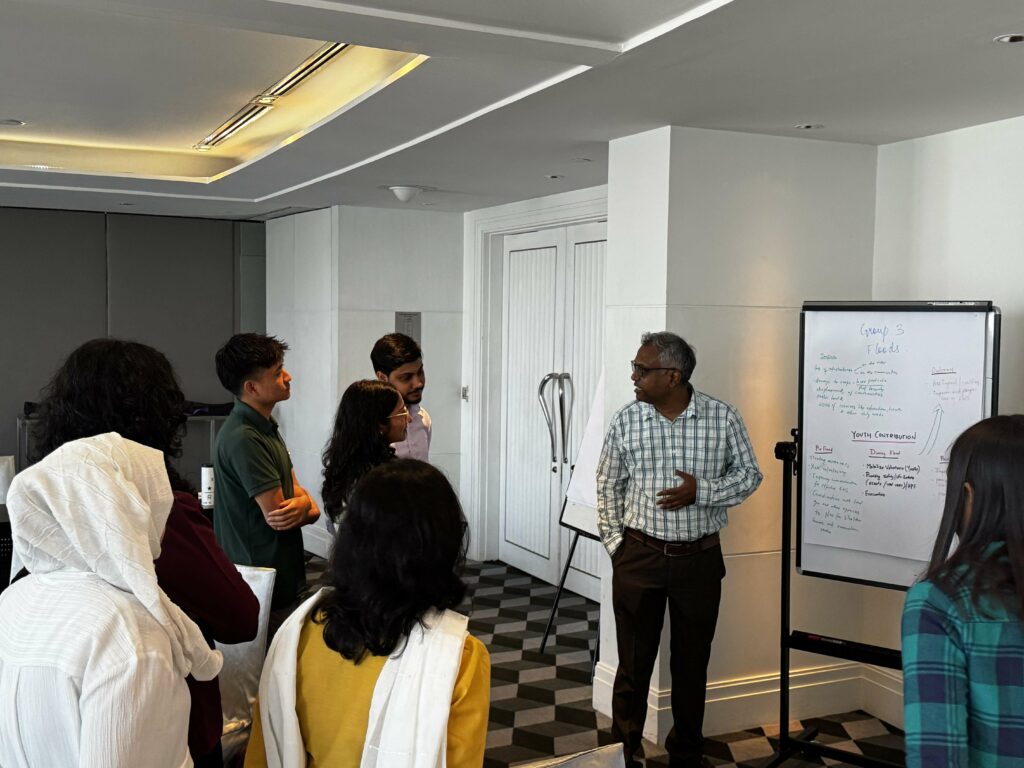
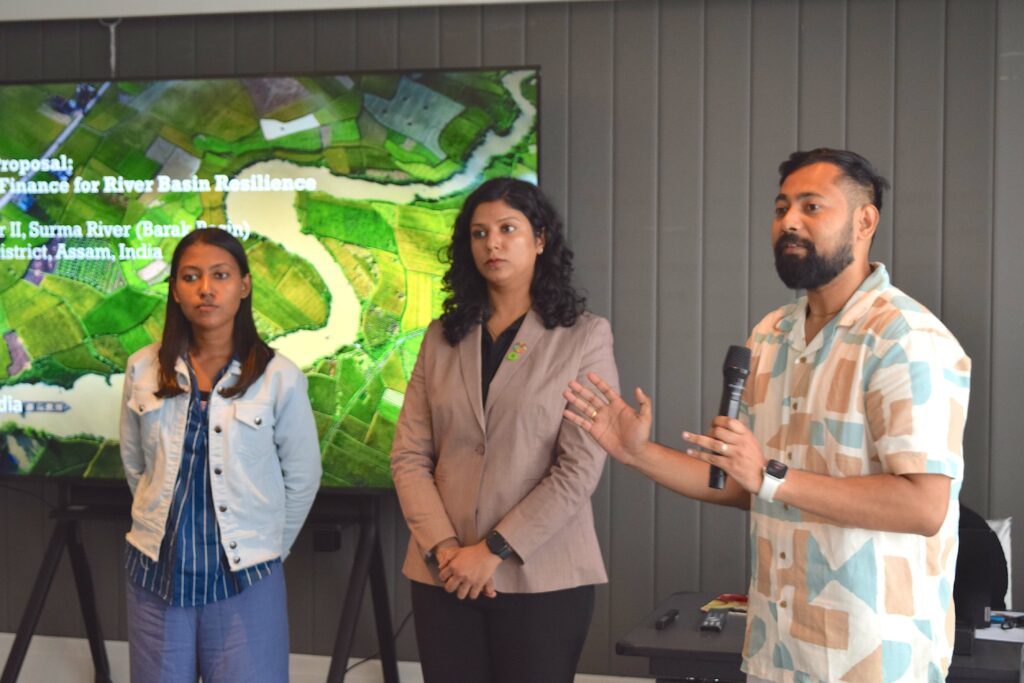
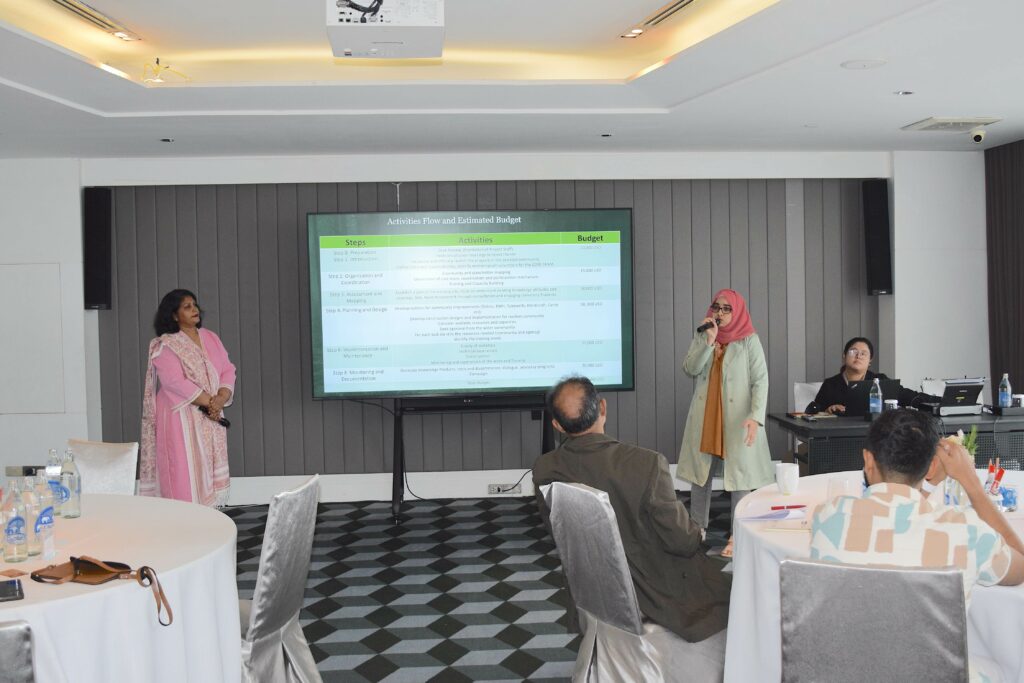
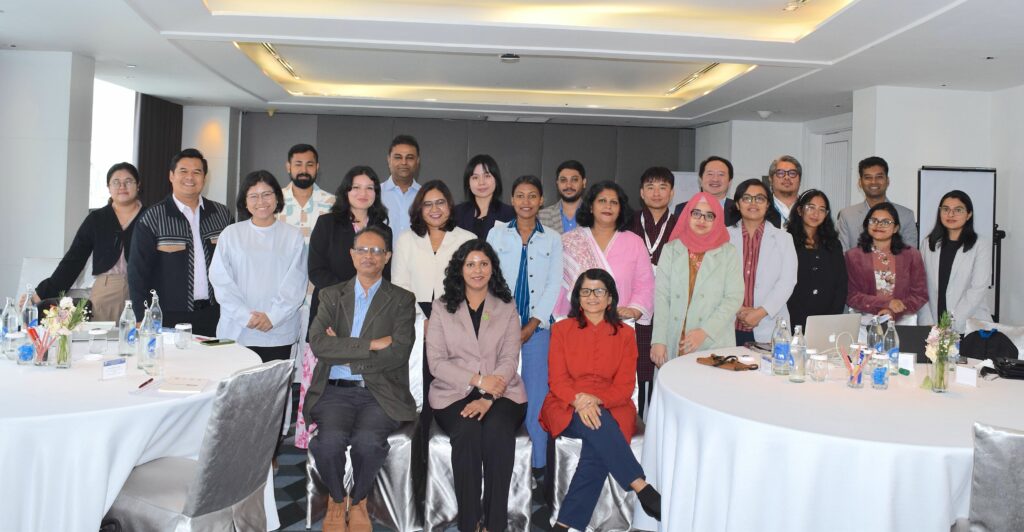
ADPC organized a Regional Workshop on Climate Finance for River Basin Resilience. The 3-day workshop, from 16-18 November 2025, held in Bangkok, Thailand, brought together 11 women and youth representatives from Nepal, India, Bangladesh, and Bhutan to strengthen their skills, networks, and confidence to drive climate finance solutions across shared river basins. It also included the six women and youth leaders who had previously participated in ADPC’s training programs. Representatives from government agencies, development partners, NGOs, academia, think tanks, and private sector actors supporting climate finance and water resilience were also part of the workshop. The workshop included technical sessions, group activities, panel discussion, and a regional dialogue. The sessions led by technical experts covered topics such as climate change, river basin challenges, climate finance, global and regional trends, and innovative financing instruments.
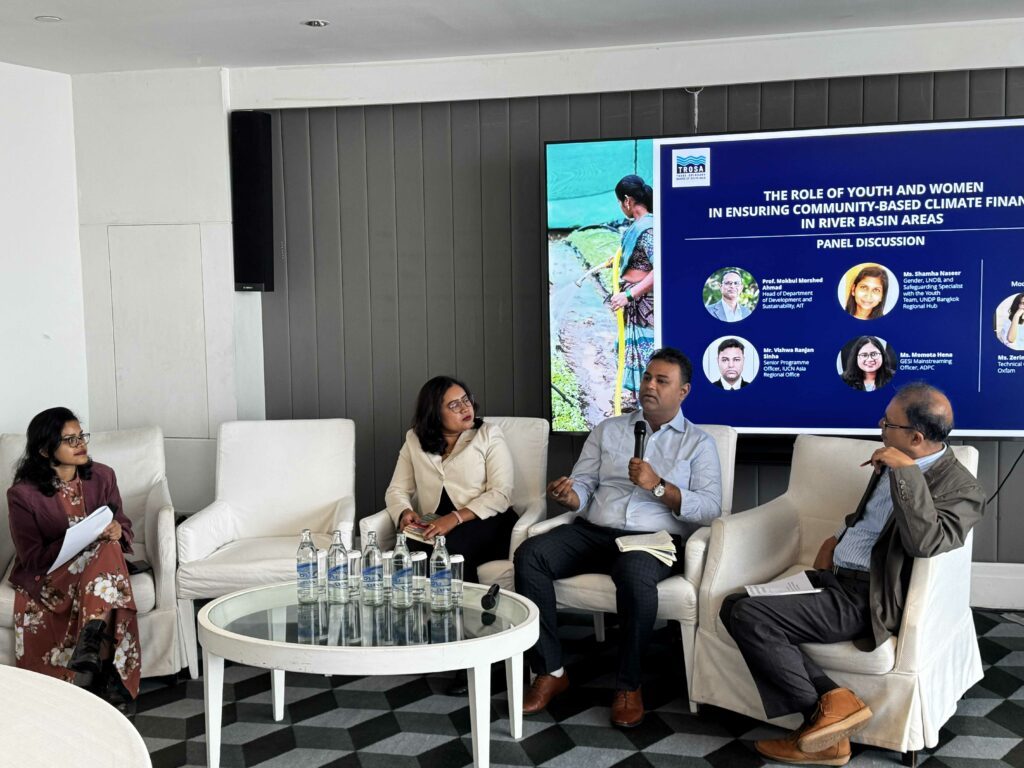
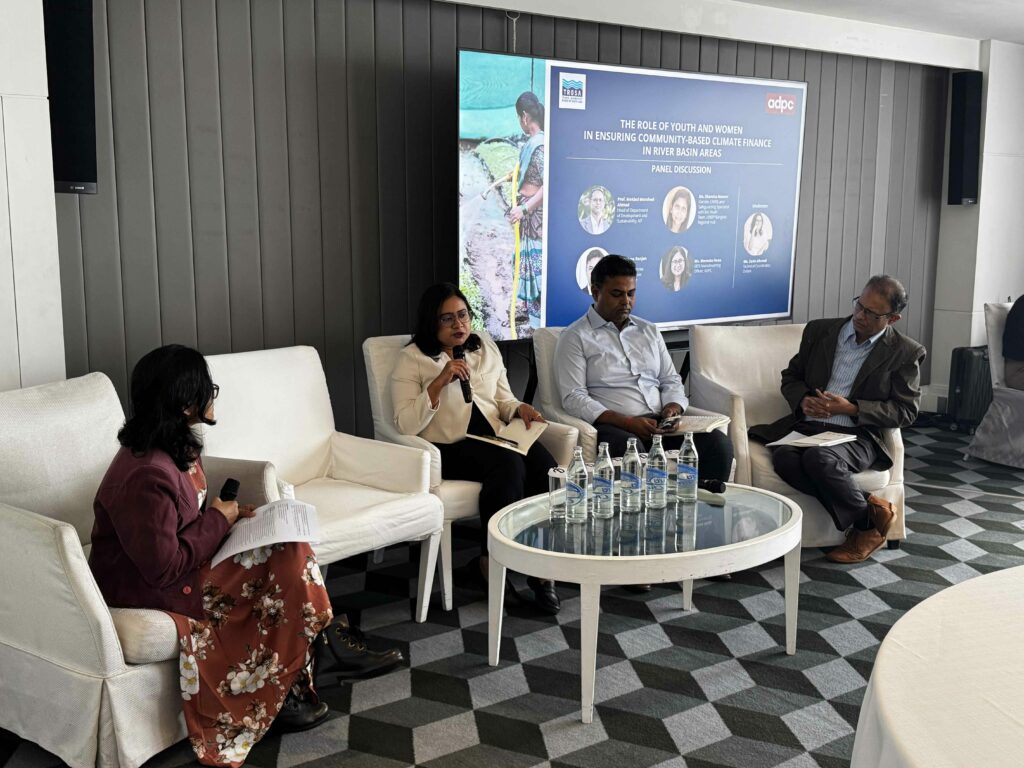
The panel discussion focused on the critical contributions of youth and women to community-based climate finance in river basin areas. The session brought together experts representing academic, development, and regional organizations. Panelists shared insights on how youth and women contribute to inclusive water governance, strengthen community resilience, and advance climate finance initiatives across transboundary river basins.
Panelists include:
- Prof. Mokbul Morshed Ahmad, Head, Department of Development and Sustainability, Asian Institute of Technology
- Ms. Shamha Naseer, Gender LNOB and Safeguarding Specialist, Youth Team, United Nations Development Programme – UNDP Bangkok Regional Hub
- Mr. Vishwa Ranjan Sinha, Senior Programme Officer, IUCN Asia Regional Office
- Ms. Momota Hena, Gender Mainstreaming Officer, Asian Disaster Preparedness Center, ADPC
The regional workshop did not just offer insights and knowledge; it also fostered strong engagement and peer learning, helping the 11 participants ensure equitable, impactful, and community-driven solutions in their areas of work and promoting collaboration and partnerships for inclusive climate finance to support transboundary river basin resilience.